



Go Back



Cat No: AH0001
Size
Price
Inventory
Number
20ul
$108.00
In stock
0
40ul
$200.00
In stock
0
100ul
$416.00
In stock
0
Add to Cart


Collectioned
Collection
Customized service consultation
Main information
Target
PD1
Reactivity
Human
Applications
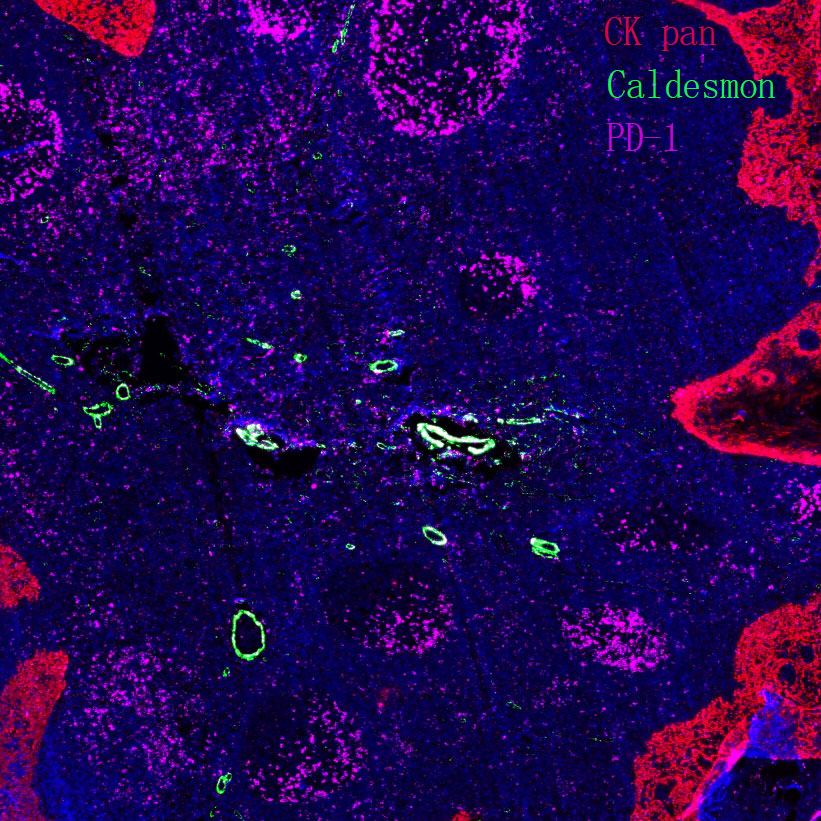
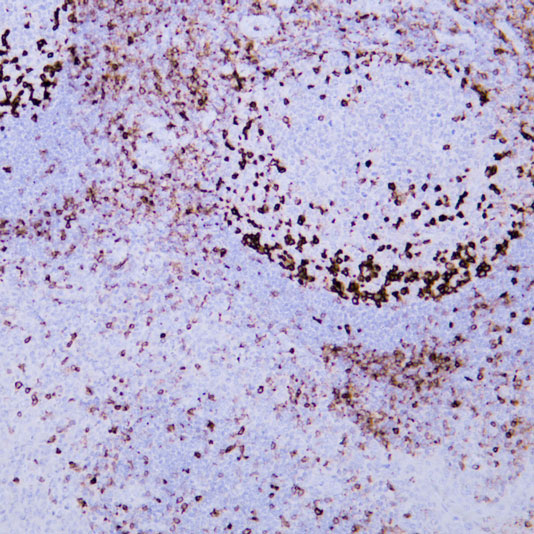
IHC,IF,ELISA
MW (kDa)
32kD( Calculated)
56kD( Observed)
Host Species
Mouse
Isotype
IgG1,Kappa
Detailed information
Recommended Dilution Ratio
IHC 1:200-400
IF 1:200-1:1000
ELISA 1:500-5000
Note: For IHC, we suggest antigen retrieval with TE buffer pH 9.0 (Cat#RH0011)
Validation Strategies
Specificity
The antibody can specifically recognize human PD-1 protein.
Purification
The antibody was affinity-purified from ascites by affinity-chromatography using specific immunogen.
Storage
-15°C to -25°C/1 year(Do not lower than -25°C, Ship by ice bag)
MW(Calculated)
32kD
MW(Observed)
56kD
Clonality
Monoclonal
Clone
M699V
Related products
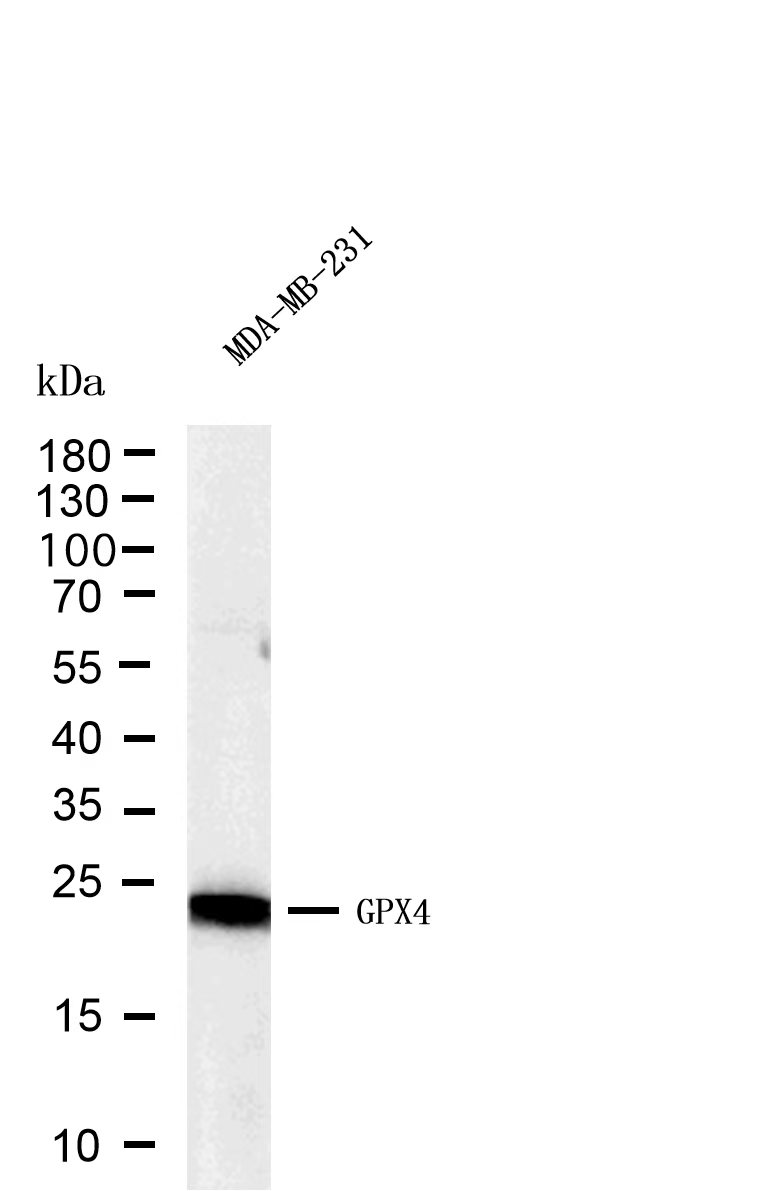
GPX4 (R635P) Rabbit mAb
AR0001
Preview→

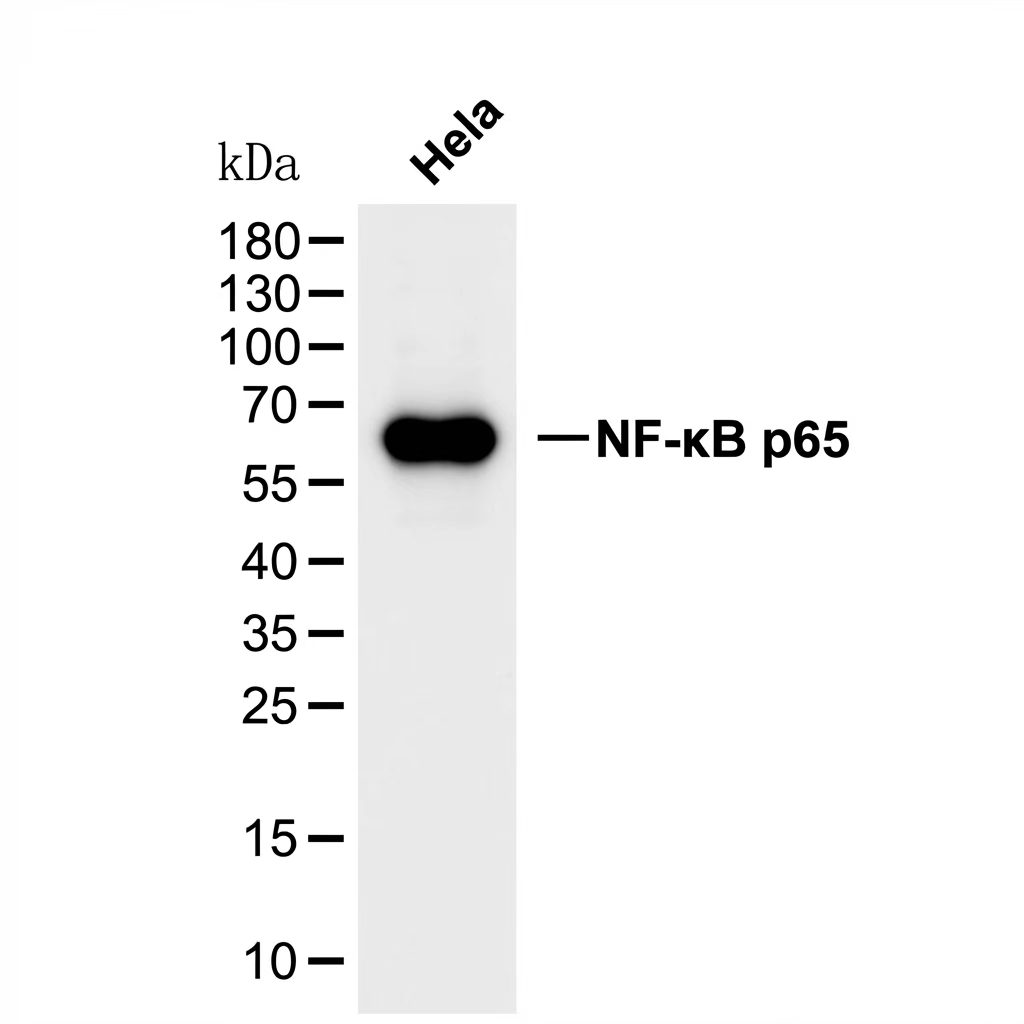
Nrf2 (R370G) Rabbit mAb
AR0002
Preview→
NF-κB p65 (R197I) Rabbit mAb
AR0003
Preview→

Mouse/Rabbit Tri-Labeling Four-Color Fluorescence Detection Kit
MH0001
Preview→
Antigen & target information
Immunogen:
Synthesized peptide derived from human PD-1 AA range: 1-100
Fold content
Gene Name:
PDCD1 PD1
Fold content
Protein Name:
Programmed cell death protein 1 (Protein PD-1) (hPD-1) (CD antigen CD279)
Fold content
Cell localization
Membranous, Cytoplasmic
Fold content
Tissue Expression
Fold content
Background
This gene encodes a cell surface membrane protein of the immunoglobulin superfamily. This protein is expressed in pro-B-cells and is thought to play a role in their differentiation. In mice, expression of this gene is induced in the thymus when anti-CD3 antibodies are injected and large numbers of thymocytes undergo apoptosis. Mice deficient for this gene bred on a BALB/c background developed dilated cardiomyopathy and died from congestive heart failure. These studies suggest that this gene product may also be important in T cell function and contribute to the prevention of autoimmune diseases. [provided by RefSeq, Jul 2008],
Fold content
Function
developmental stage:Induced at programmed cell death.,Disease:Genetic variation in PDCD1 is associated with susceptibility to systemic lupus erythematosus type 2 (SLEB2) [MIM:605218]. Systemic lupus erythematosus is a chronic, inflammatory and often febrile multisystemic disorder of connective tissue. It affects principally the skin, joints, kidneys and serosal membranes. It is thought to represent a failure of the regulatory mechanisms of the autoimmune system.,Function:Possible cell death inducer, in association with other factors.,similarity:Contains 1 Ig-like V-type (immunoglobulin-like) domain.,subunit:Monomer.,
Fold content
Research Areas
>> >>Cell adhesion molecules ;
>> >>T cell receptor signaling pathway ;
>> >>PD-L1 expression and PD-1 checkpoint pathway in cancer
>> >>T cell receptor signaling pathway ;
>> >>PD-L1 expression and PD-1 checkpoint pathway in cancer
Fold content
Signal Pathway
References({{totalcount}})
Filter by
Applications:
Reactivity:
Sort by:
Recently Viewed Products



Explore Our Recommended Popular Products
More products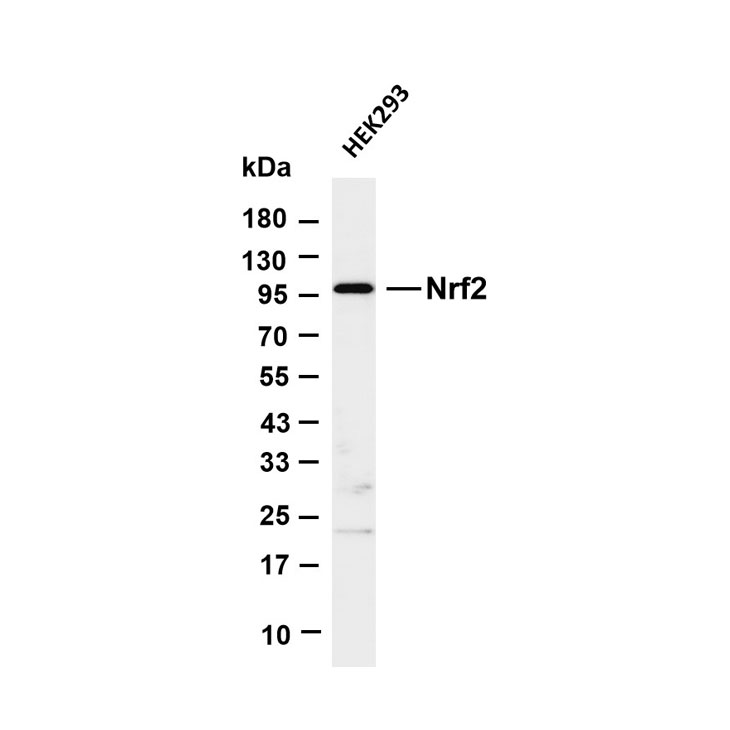

30,000+ high- quality products available online
Primary Antibodies, Secondary Antibodies, mIHC Kits, ELISA Kits, Proteins, Molecular Biology Products,Cell Lines,Reagents ...
Contact Us
{{pinfo.title}}
-{{pinfo.catalog}}
Main information
Target
{{pinfo.target}}
Reactivity
{{pinfo.react}}
Applications
{{pinfo.applicat}}
Conjugate/Modification
{{pinfo.coupling}}/{{pinfo.modific}}
MW (kDa)
{{pinfo.mwcalc}}
Host Species
{{pinfo.hostspec}}
Isotype
{{pinfo.isotype}}
Product {{index}}/{{pcount}}
Previous one
Next
{{pvTitle}}
Scroll
{{pvDescr}}
-

-

support@lamarck.cn
-


Order
-

Message